

Are There Cardinals in Canada Year-Round? Range Map, Habitat, and Winter Survival

Yes, Northern Cardinals live in parts of Canada year-round. In the right regions, they are resident birds that stay through winter, breed locally, and return to the same neighborhoods and thickets season after season.
In Canada, the key is geography. Cardinals are established mainly in southern Ontario, southern Quebec, and parts of the Maritimes, where habitat and winter conditions support stable populations.
Northern Cardinals are non-migratory across their range. Where they occur in Canada, many stay year-round by using dense cover for roosting and relying on seeds, berries, and reliable backyard food sources during winter.
Key Takeaways
Cardinals adapt surprisingly well to human environments where habitat and food remain available. You can also see how cardinals live in urban areas, whether they prefer dense shrubs, which trees attract cardinals most, and what natural predators cardinals face in different habitats.
Do Northern Cardinals Live in Canada All Year?
If you’re asking Do Northern Cardinals Live in Canada All Year? the accurate answer is “yes, but not everywhere.” In Canada, Northern Cardinals are best described as year-round residents in the southernmost portions of their Canadian range, with occasional wanderers appearing farther north in some years.
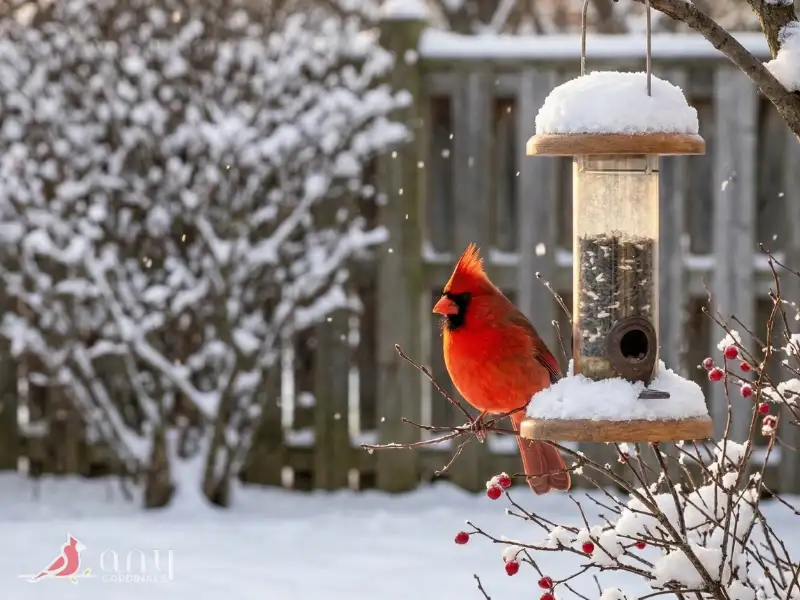
A simple way to align this with a range map mindset is to think in zones. In the core Canadian range, cardinals are present year-round. Outside it, sightings may still occur, but they are less consistent and do not always reflect stable breeding populations.
eBird range tools and Cornell’s maps consistently show cardinals as resident where they occur, not a species that predictably migrates in and out each season.
Where Cardinals Are Found in Canada?
In Canada, cardinals reach their strongest foothold in southern regions with milder winter conditions and suitable cover. Government of Canada species accounts highlight Canada’s cardinal presence centered in Ontario’s Carolinian region, with expansion into eastern Ontario, southern Quebec, and parts of the Maritimes.
Are Cardinals Permanent Residents or Seasonal Visitors?
This is where many readers get tripped up. Northern Cardinals are non-migratory in the biological sense: they are not built around a long seasonal migration strategy like many warblers or waterfowl.
In Canada, that means areas with established cardinals tend to have them year-round, including winter. It does not mean every province has permanent populations.
Why Some Canadian Regions Have More Cardinals?
Cardinals need three things to thrive at the northern edge of their range:
- Dense cover for safety and winter roosting
- Reliable winter food and accessible foraging patches
- Landscapes with edges, thickets, and shrub layers
Southern Ontario and adjacent regions provide those conditions more consistently than colder, more open, or more boreal environments farther north and west.
These habitat conditions explain why cardinals establish stable populations in southern parts of Canada. For a broader look at the environments where these birds thrive, see our complete guide to Northern Cardinal habitat.
Which Provinces Have Northern Cardinals?
When people search Are Northern Cardinals Year-Round Birds in Canada? they usually want specific provinces, not generalities. The most credible summaries consistently focus on a southern band of Canada.
Ontario: The Strongest Cardinal Population in Canada
Ontario is the Canadian anchor for Northern Cardinals, historically strongest in the Carolinian region and now broader in southern and eastern areas. This is also the province where backyard sightings feel “normal” rather than exceptional.
Quebec and Eastern Canada Populations
Cardinals occur in southern Quebec and have expanded into parts of the province alongside range growth documented by survey and atlas efforts.
Atlantic Provinces and Expanding Range
Canada-wide sources commonly note presence extending into parts of New Brunswick and Nova Scotia, reflecting an established eastern expansion rather than a one-off vagrant pattern.
Why Western Canada Has Fewer Cardinals?
Western Canada generally lacks the same combination of climate, habitat structure, and historically established populations that support dense cardinal numbers in the east. This is why Canadian cardinal conversations typically center on Ontario, Quebec, and portions of the Maritimes rather than the Pacific side.
Because of these climate and habitat differences, stable Northern Cardinal populations are rarely established in western Canada. Occasional sightings can still occur in places like Alberta or British Columbia, but these are typically rare or localized observations rather than established populations.
Why Cardinals Do Not Migrate South for Winter?
Unlike many North American songbirds, Northern Cardinals are non-migratory residents across most of their range. In regions where they are established, including parts of southern Canada, these birds typically remain year-round rather than traveling south during winter.
Northern Cardinals Are Non-Migratory Songbirds
Cornell and eBird resources describe Northern Cardinals as resident across their range rather than a species with a strict seasonal migration pattern. That resident strategy is why, once established in southern Canada, cardinals do not “leave Canada every winter” as a rule.
Territorial Behavior Keeps Them Year Round
Cardinals are strongly tied to territories and familiar cover. In field terms, they behave like birds that invest in “knowing the neighborhood” year after year: where the safest thickets are, where winter food is reliable, and where escape cover exists.
That local knowledge is valuable, especially in winter, and it supports staying put rather than migrating.
How Backyard Feeders Help Winter Survival?
At the northern edge of their range, food stability can be a limiting factor. Multiple Canadian summaries explicitly associate cardinal increases with widespread bird feeding, alongside warmer winters.
This does not mean feeders create cardinals out of nowhere, but in real neighborhoods, consistent seed availability can improve winter survival and visibility.
Urban and suburban environments often provide the combination of dense landscaping and reliable food sources that help cardinals remain active during winter. This is also why many Northern Cardinals can live successfully in urban areas, where feeders and shrub cover support year-round survival.
How Cardinals Survive Harsh Canadian Winters?
Even in cold regions of southern Canada, Northern Cardinals remain active throughout winter. Their survival depends on access to dense shelter, reliable food sources, and behavioral adaptations that help conserve body heat during freezing conditions.
Dense Vegetation and Roosting Shelter
Cardinals survive winter by using dense cover: shrubs, hedges, brush piles, and thick evergreen edges that reduce wind exposure and provide instant escape from predators. In the field, the best winter cardinal neighborhoods are almost always the ones with layered landscaping and tangled cover.
Dense shrubs and evergreen thickets also serve as common nighttime shelter for cardinals during winter. For a deeper explanation of their roosting behavior and preferred night shelters, see Where Do Cardinals Sleep at Night?
Winter Diet: Seeds and Backyard Feeders?
Winter cardinal diets shift heavily toward accessible plant material such as seeds and persistent berries, which is why feeders and seed-rich habitats matter in snow seasons. Cornell’s species overview emphasizes their affinity for dense tangles and backyard settings where food and cover concentrate.
Practical field note: in Canada, cardinals are often most detectable at first light and late afternoon near feeding zones, especially where nearby shrubs allow quick retreat.
Physiological Adaptations to Cold
Cardinals cope with cold partly through behavioral thermoregulation: fluffing feathers to trap warm air, choosing sheltered roost microclimates, and minimizing exposure during the coldest, windiest conditions. The “strategy” is not one magic adaptation but a layered set of choices that reduce energy loss.
Scientific tip: Cardinals are tough, but extreme cold and ice storms can still reduce local survival, especially where cover is sparse.
How the Cardinal Range Expanded into Canada?
Canada-based sources explicitly document expansion since the 1970s and connect it to environmental and human factors.
Historical Range Before the 1900s
Historically, Northern Cardinals were primarily associated with the eastern and southern United States. Canada’s population reflects a northward and northeastward expansion into southern regions rather than an ancient, deep Canadian distribution.
Urbanization and Bird Feeders
As towns and suburbs expanded, they created edge habitats that cardinals prefer: hedgerows, ornamental shrubs, and fragmented woodland edges. Canadian accounts link increased abundance and breeding range to widespread bird feeding.
From an observational standpoint, the most “cardinal heavy” Canadian neighborhoods often share two traits: dense foundation plantings and consistent winter feeding.
Climate Change and Northward Expansion
Canadian summaries specifically mention warmer winters as a likely contributor to continuing increases.
Keep the framing precise: warmer winters do not guarantee expansion everywhere, but they can reduce winter mortality and lengthen the window of accessible food and open ground.
For a clearer view of where Northern Cardinals occur across North America and how their distribution is mapped, see Northern Cardinal Range Map Explained. It breaks down how scientists interpret range maps and eBird data to track the species’ spread.
Where You Are Most Likely to See Cardinals in Canada?
This section should feel instantly useful. Readers want “where do I look” in real life.
Suburban Gardens and Parks
In Canada, cardinals are often most reliable in suburban green space where shrubs, feeders, and shelter are common. Parks with dense understory and edge habitat can also hold stable pairs.
Shrubby Woodlands and River Edges
Cardinals strongly favor thickets and brushy edges. In Canadian regions where they are established, look for:
- Overgrown fence lines
- Brushy creek corridors
- Woodlot edges with dense understory
- Hedgerows and tangled vine patches
These microhabitats provide the cover cardinals use for both safety and winter roosting.
Cities With High Cardinal Sightings
Large southern cities in Ontario and southern Quebec can support cardinals where green infrastructure is connected: ravine systems, park networks, and older residential districts with mature landscaping.
eBird-based sightings maps reinforce those cardinals concentrate where habitat and people overlap, especially year-round.
These patterns reflect how closely Northern Cardinals are tied to suitable habitat structure. For a broader explanation of the environments that support these birds across the continent, see our Northern Cardinal habitat guide.
Are Cardinals Common or Rare in Canada?
The honest answer is “locally common in the right places, uncommon outside them.”
Population Trends
Canadian government summaries report major increases in abundance and breeding range compared to the 1970s, supported by survey and atlas results.
NatureCounts also describes cardinals as increasingly extending into Ontario, southern Quebec, and parts of New Brunswick and Nova Scotia.
Where Cardinals Are Increasing?
In practice, increases are most noticeable where suburban habitat and winter food support overlap with relatively milder winter conditions.
This is why southern Ontario and connected regions tend to show stronger, more stable year-round patterns.
Future Range Expansion
Expect slow, uneven changes rather than a sudden “cardinals everywhere” outcome. Expansion depends on:
- Winter severity patterns
- Habitat continuity (shrubs, edges, shelter)
- Food availability and human-supported landscapes
FAQs: Northern Cardinals in Canada Year Round
Common questions about Northern Cardinals in Canada often focus on whether these birds stay year-round, migrate in winter, or how they survive cold climates. The answers below clarify their seasonal presence, behavior, and winter survival in Canadian regions.
Are There Cardinals in Canada Year-Round or Only in Summer?
Northern Cardinals are present year-round in parts of Canada, especially southern Ontario and southern Quebec.
They are not a species that reliably shows up only for summer and then leaves. In regions where they are established, they typically remain through winter. In colder or more northern areas, sightings can be less consistent and may reflect temporary movement rather than stable populations.
Do Northern Cardinals Live in Canada All Year in Ontario?
Yes. Ontario is the strongest Canadian province for year-round Northern Cardinals, with established populations and regular winter sightings.
They breed locally and persist through winter where food and shelter are available. Southern and eastern areas tend to be more reliable than far northern zones. Dense shrubs and feeders can make a major difference in winter visibility.
Do Cardinals Migrate Out of Canada in Winter?
In general, no. Northern Cardinals are described as resident rather than long-distance migrants.
That means established populations usually stay put year-round. Individuals can shift locally to find food or shelter, but this is not a predictable migration like many other songbirds. If you see cardinals in winter in their established Canadian range, that is normal.
How Do Northern Cardinals Survive Canadian Winters?
They survive by combining shelter and food strategy. Cardinals roost in dense cover such as shrubs and hedges, which reduces wind exposure and predation risk. They rely heavily on seeds and persistent winter foods, and feeders can stabilize access during snow periods. Canada-focused summaries also connect their ongoing success to warmer winters and bird feeding.
What Provinces in Canada Have Northern Cardinals?
The most consistently cited areas include Ontario, southern Quebec, and parts of New Brunswick and Nova Scotia.
Some sources also describe continued eastward and northward spread in suitable regions. Outside these areas, sightings may occur but are often less predictable.
If you’re building a province-by-province content cluster, treat this page as the national overview and link out to dedicated provincial pages only where you can support them with strong evidence.
Are Northern Cardinals Common in Canada?
They are locally common in the southern parts of their Canadian range, but not evenly common across the country.
In southern Ontario, they can be a regular backyard bird. Farther north and west, they become less expected. Long-term survey reporting shows their Canadian abundance and range have increased compared to the 1970s.
Why Are Cardinals Expanding into Canada?
Evidence-based summaries point to two main drivers: warmer winters and widespread bird feeding, with edge habitat created by suburban growth also supporting their preferred cover.
This combination reduces winter mortality and improves food reliability at the northern edge of their range. Expansion still depends on habitat structure, not just temperature. Areas without dense shrubs and edge cover will remain less suitable.
Where Is the Best Place to See Cardinals in Canada?
Look in suburban neighborhoods, park systems, and brushy edges in southern regions where cardinals are established. eBird-based mapping tools can help confirm local hotspots and year-round presence patterns.
In the field, the most consistent places are those with dense landscaping near feeders and hedgerows. Winter mornings and late afternoons are often peak activity windows. If you already cover urban habitat on your site, link that guide here to reinforce where to look.
Final Words
Across the southern parts of Canada, the bright red flash of a Northern Cardinal is not just a summer sight. In regions like Ontario, southern Quebec, and parts of the Maritimes, these birds remain part of the landscape throughout the year, adapting to winter conditions where suitable habitat and food are available.
For readers asking Do Northern Cardinals Live in Canada All Year? the key factor is location. Cardinals are resident birds, not long-distance migrants, which means established populations typically stay within the same territory year-round rather than leaving the country each winter.